
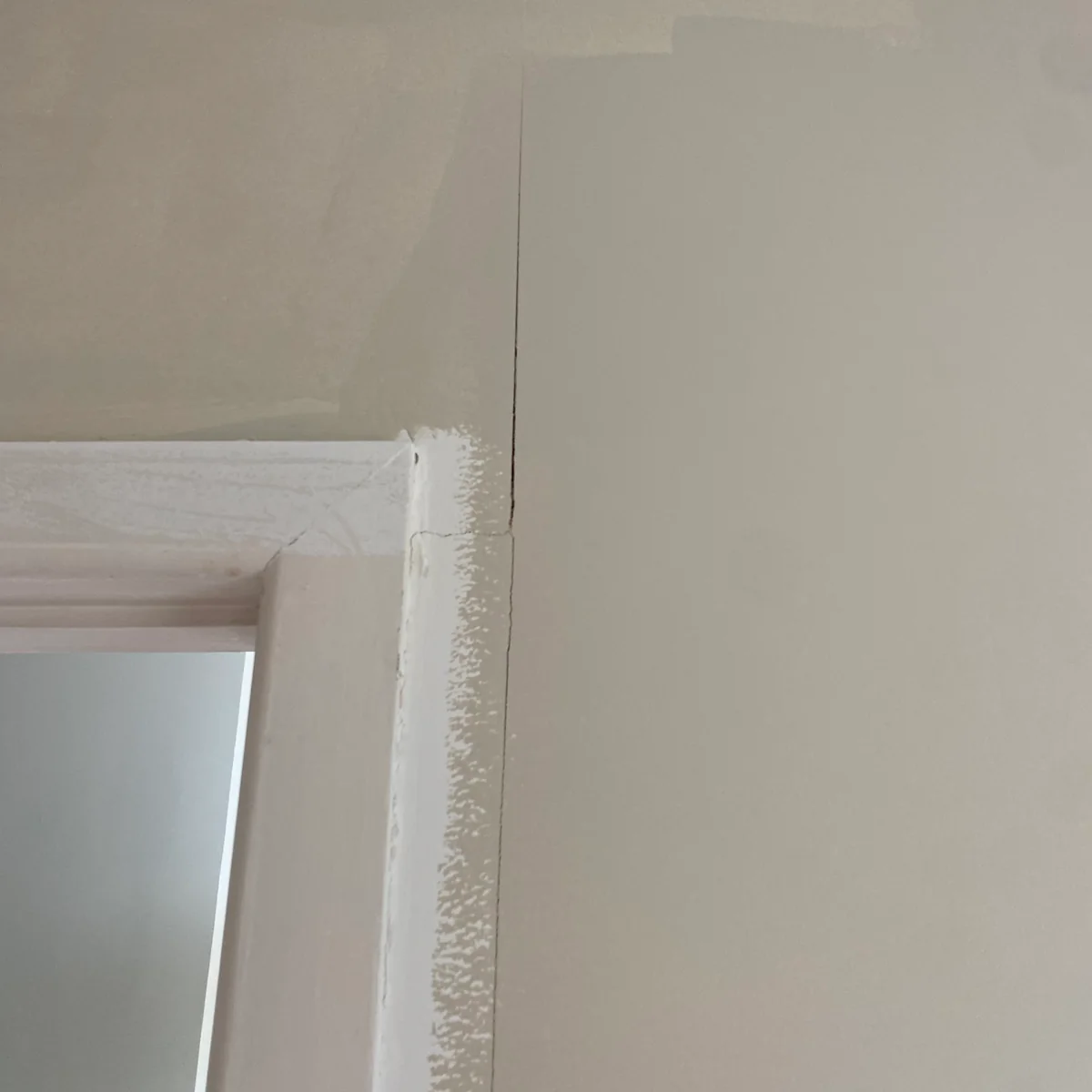
A crack is a clue, not a diagnosis. Record these five things before deciding what to do next.
I've spent 12 years under New Zealand houses, and the most common phone call I get starts with “there's a crack and I don't know if it's serious.” Here's the same first-pass logic I use, in plain language.
The five things that matter
1. Shape and direction. Fine vertical cracks in plasterboard can relate to finish, framing, moisture, or movement. Diagonal cracks from opening corners and stepped cracks through masonry are patterns worth recording and assessing in context; neither identifies a cause on its own. → stepped cracking explained
2. Width. Measure it consistently, but do not use a universal millimetre threshold as a diagnosis. Material, location, direction, change, and accompanying signs all affect what a measurement means. → hairline vs serious cracks
3. Change. A stable old crack is history; a growing crack is news. If you don't know whether it's moving, pencil-mark and date the ends, photograph it with a ruler for scale, and re-check at a sensible interval. If it changes quickly or other warning signs appear, stop relying on monitoring and seek professional advice.
4. Friends. One crack alone is a data point. A crack plus doors that recently started sticking, floors that slope, gaps opening under skirting boards, cracked exterior brick, or changes in the ground conditions around your home — that's a pattern pointing at the foundation. → sticking doors and uneven floors
5. Season and water. New cracks appearing at the end of a dry summer or wet winter, especially on clay soils (common in most urban areas across NZ), often reflect seasonal ground movement. Check downpipes and drainage near the cracked wall — water is behind more cracking than people expect.
When to act promptly
Be prompt (not panicked) if any of these apply: a stepped or diagonal crack that's new or growing; a sudden or substantial change; cracks appearing after an earthquake → post-quake checks; cracks along with doors/floors changing behaviour; or cracking in a house you're about to buy → building report says foundation issues.
When monitoring may be reasonable
Fine cracks at plasterboard joins and long-unchanged finish cracking may be less concerning than fresh, changing masonry cracks, but appearance alone cannot prove the cause. Photograph and date them, and get advice if the pattern changes or you are uncertain.