
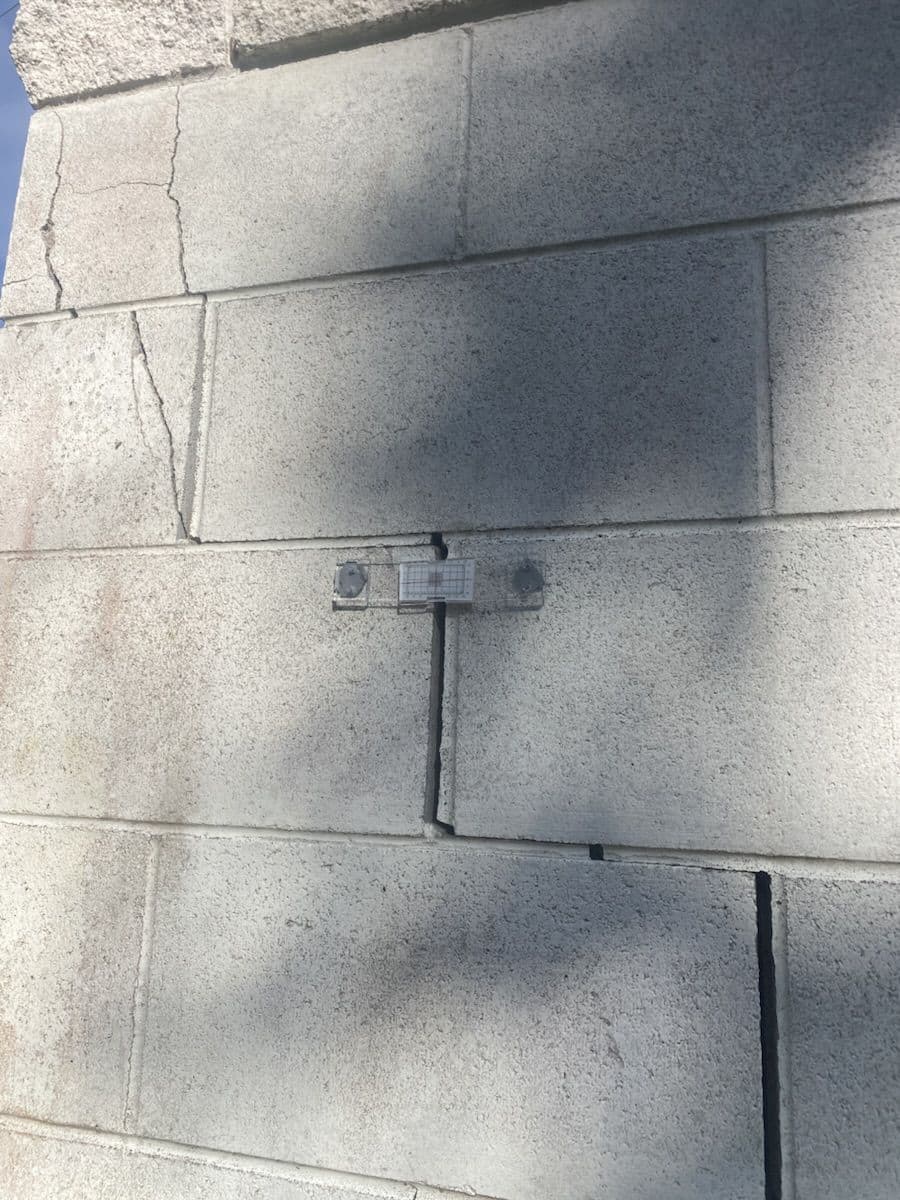
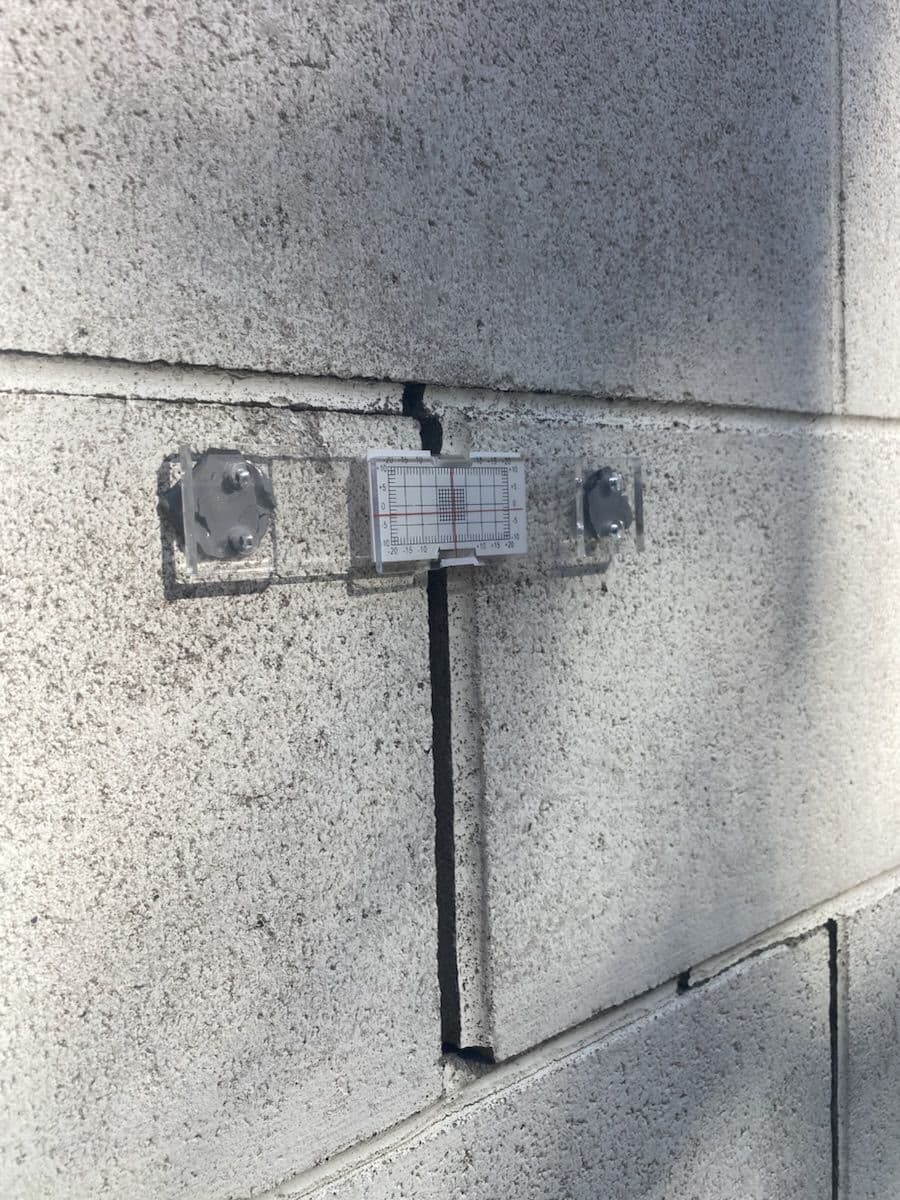
If a building professional has advised you to monitor a crack, a consistent record can make later comparison easier. A photo record is one way to document what you saw; by itself, it cannot establish what caused a crack, whether a building is safe, or what will happen next.
Ask the professional what to record and when to return. If you are concerned about a change, seek suitable advice rather than waiting just to complete a monitoring interval.
Make each visit easier to compare
- Identify the same place. Write down a clear location, such as “lounge wall beside the doorway”. Take one wider photo that shows where the crack sits on the wall, then a clear close-up of the crack. Keep the original images.
- Repeat the framing. On a later visit, repeat both views with a similar distance, angle, orientation, and lighting. Include the same nearby feature so the location is recognisable, and check that each image is in focus. Avoid digital zoom if you can. Similar framing can help comparison, but it does not make photos a calibrated measurement.
- Use a scale only as part of a consistent method. If a professional has asked you to measure, follow their instructions about the tool and where to measure. Put a suitable scale in the same plane as the crack, and use the same method and position on later visits. A scale in a photo may help show approximate size, but camera angle and placement affect what it can show. Do not report more precision than the tool and method support. If you cannot measure reliably, record “not measured”; the photo can still provide visual context.
- Write down what you did. Record the observation date, location, and—if you measured—the tool, method, units, and measurement point. Keep the photos and notes together in a dated digital record; a labelled phone album works, or you can use the free Movement Record app. Note relevant observations separately, such as nearby work or another visible change. Do not treat weather or another observation as an explanation for the crack.
- Agree when to return. There is no single interval that suits every crack or property. Follow advice for your situation; do not choose a schedule from a general article. Record other changes you notice, such as a nearby door becoming harder to close, as separate observations. They do not establish a shared cause. See the doors and floors guide for a separate checklist.
What the record can and cannot show
Repeat photos and notes can help you and a building professional compare what was recorded at different visits. Differences in lighting, angle, focus, and scale placement can affect the appearance. A photo without a scale can still show location and visible context, but it should not be treated as a reliable width measurement. No visible change in a set of photos does not prove there is no underlying concern, and a visible difference does not identify its cause.
Monitoring is not a diagnosis or safety assessment, and it does not replace an inspection. If the crack changes and you are concerned, contact an appropriately qualified building professional for advice rather than relying on the record alone.