
Cracks are common in New Zealand houses, but their causes and significance vary. After 12+ years working on foundations, I use the surrounding pattern — not one photograph or measurement — to decide what evidence an on-site professional may need.
This guide covers what cracks actually tell you, the NZ-specific factors that matter (our timber piles, our clay soils, our earthquakes), indicative repair-cost factors, and how to prepare useful evidence before speaking with an appropriately qualified professional.
Why NZ houses crack
Four drivers cover most of what I see:
- Ground movement. Much of urban NZ sits on clay that shrinks in dry summers and swells in wet winters. Houses ride that cycle. Auckland's clay and reclaimed fill, Wellington's slopes, Canterbury's alluvial soils — each region cracks differently, and the signs show slightly differently too.
- Foundation type and age. Villas and bungalows on original timber piles are now 80–120 years old. Tōtara rounds or stumps rot, settle, or were never deep enough to begin with. Concrete slabs and strip footings from the 60s onward bring their own issues — slab settlement, washout of the compacted material beneath, and differential settlement.
- Water. Blocked drains, broken downpipes, and poor site drainage are behind more foundation problems than most people expect. Water changes how ground behaves under your house.
- Seismic history. Even well away from major events, decades of small shakes work on older foundations.
Reading a crack: the basics
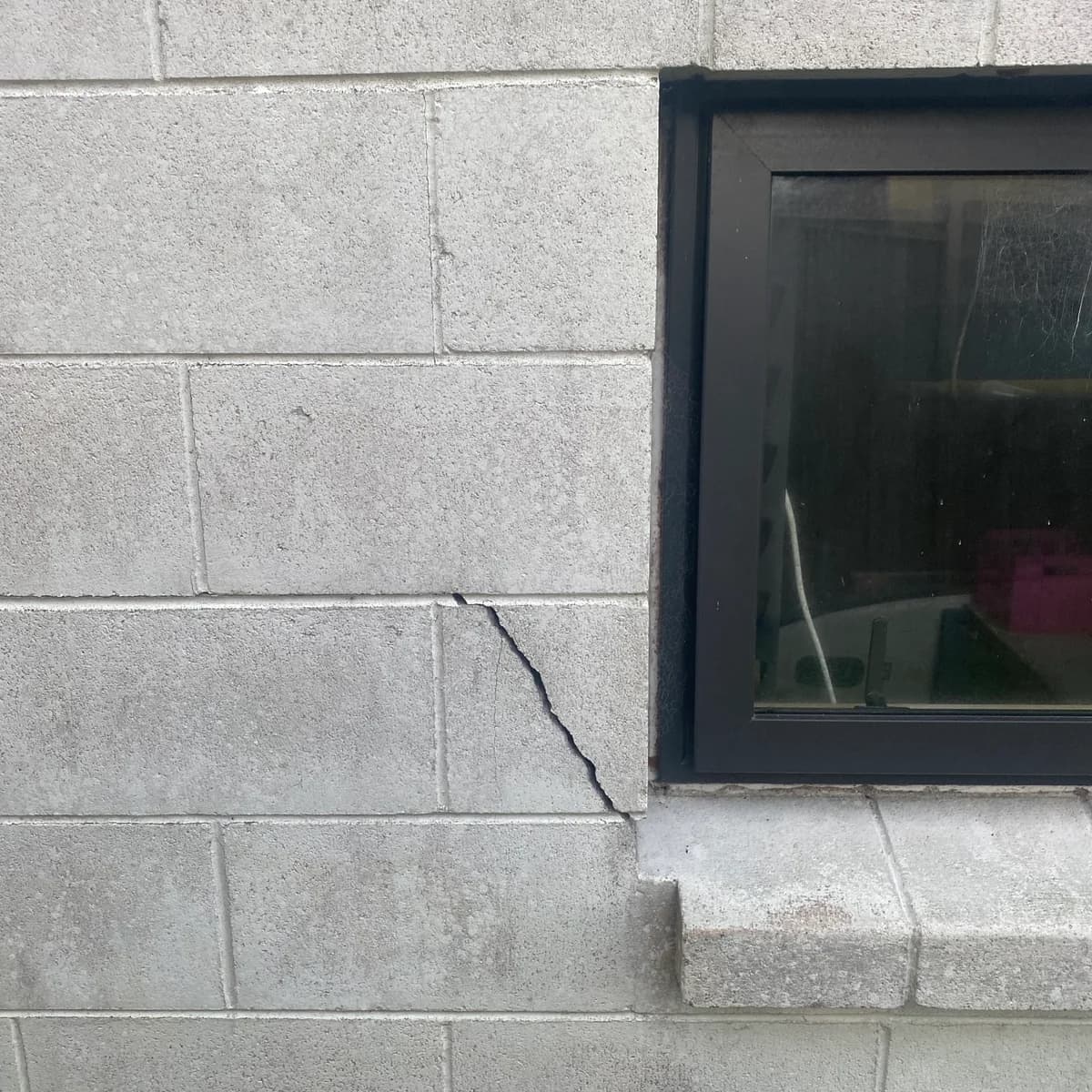
- Direction matters. Fine cracks in plasterboard can reflect finish, framing, moisture, or building movement. Diagonal cracks from openings and stepped cracks through masonry are useful patterns to record, but neither proves a cause. → full guide: stepped cracking in brick
- Width is context; change matters too. There is no universal width that proves a crack is cosmetic or structural. A dated series of consistent photos can be more informative than a single measurement.
- Company matters. One crack alone means little. A crack plus sticking doors, sloping floors, or gaps under skirting boards is a pattern. → sticking doors and uneven floors
The NZ foundation types and their failure patterns
Timber piles (villas, bungalows, most pre-1980 houses). Rot at ground level, borer, undersized or shallow piles, jack studs added badly over the years. Signs: bouncy floors, visible lean under the house, doors that stopped closing. → timber pile problems
Concrete ring foundations. Cracking at corners and openings, often drainage or seasonal shrink/swell related. Stepped cracks in the foundation wall itself deserve prompt attention.
Concrete slabs and blocks (1960s onward). Settlement (sinking) or heave (lifting on swollen clay). Shows as floor slope, cracked tiles, cracks at wall–ceiling junctions. Modern fixes include polyurethane resin injection to re-level settled slabs without excavation — → see the cost guide.
What repairs actually cost in NZ
Cost depends on the established cause and written scope. Access, design, consent, propping, reinstatement, drainage, materials, and the extent of pile or footing work can all change a quote substantially. The cost guide records Aidan's broad 2026 experience-based ranges, not property-specific prices. → full cost breakdown
The pattern I've seen for 12 years: people either panic over cosmetic cracks or normalise serious ones (“it's always been like that”). Both cost money — one in unnecessary inspections, the other in compounding damage.
Your decision path
- Photograph it properly: one wide shot, one close-up, one showing surrounding context (ground, subfloor, drainage).
- Note any earthworks nearby. A new retaining wall, construction next door, trenching for pipes or fibre — work like this can drain and dry the soil around your house, and shrinking soil moves foundations. If cracks appeared around the time of nearby works, say so; it changes the read.
- Get a first read. That's exactly what BaseCheck does — it organises photos and context into a structured first-pass screening report. It can highlight visible signs and useful follow-up questions, but it cannot diagnose a cause or prescribe a repair.
- Choose the next step with suitable advice. Depending on what is found, that might include monitoring, drainage investigation, a building inspection, contractor quotations, or engineering input.
Pro tip: if large earthworks are about to start near you, log your floor levels and photograph your home's current condition first. A dated before-record gives any later professional, insurer, contractor, or council clearer evidence of the property's earlier condition. It does not prove causation, but it can make later investigation easier.